
 Written by
 The rate of consumers dropping their cable and satellite TV packages hit the highest level ever in the fourth quarter of 2017, while Internet TV subscribership grew strongly.
According to analysts at Moffett Nathanson Research, the total number of pay-TV subscribers in Q4 dropped 3.4% from a year earlier, the highest rate of decline since the trend of cord cutting emerged in 2010, with almost 500,000 customers leaving in the fourth quarter alone, that leaves the industry with about 83 million cable households.
These calculations don’t include the growing number of households that never subscribed to a pay TV service in the first place, AKA: “Cord Nevers”. Over half of cord nevers are millennials, ages 18 to 34, but just 35 percent of cord cutters are millennials.
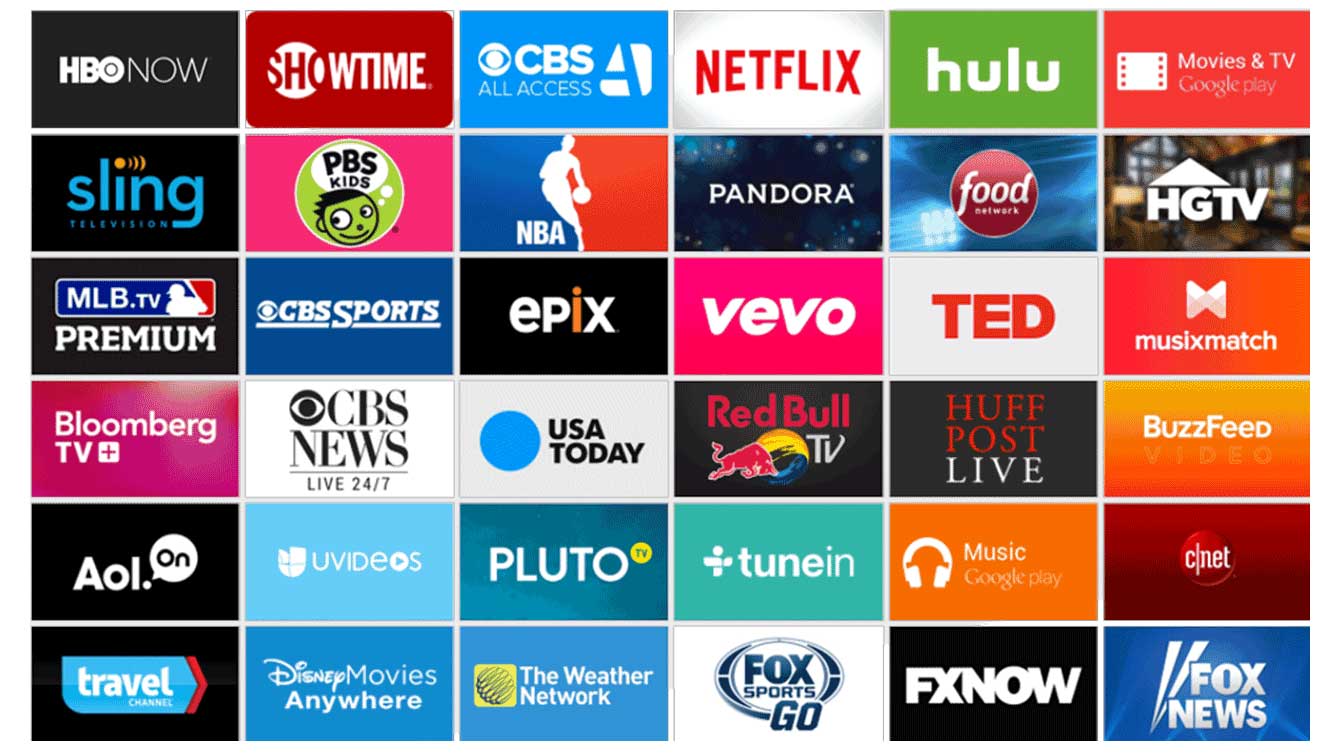
The cable bundle has become increasingly unappealing as consumers have turned to more flexible and less expensive video offerings, disrupting the traditional cable TV model, like Netflix and Hulu that feature traditional TV and movie formats, to shorter programming from YouTube, Facebook, and Snapchat.
But offsetting the shift is the growing number of people signing up for packages of TV channels delivered over the Internet by services like Google’s YouTube TV, Dish Network’s Sling TV and AT&T’s DirecTV Now. At about $20 to $50 per month, the online offerings are considerably cheaper than the average cable TV bundle.
Later this year Verizon, T-Mobile, and AT&T will all be launching 5G networks creating real competition among home internet services. Instead of having one or two options to choose from, consumers will have 5 or more broadband services options, driving a new wave of cord-cutting as consumers continue to unbundle internet services from their local cable company.
 davidgriffith.blog